Fans of AI Sexting Note How Personal the Chat Feels – A Deep Dive
The Psychological Mechanisms Behind AI Sexting’s Perceived Intimacy
The Psychological Mechanisms Behind AI Sexting’s Perceived Intimacy stems from projection, where users imbue a scripted bot with human-like emotions. This perceived connection is further amplified by the AI’s use of personalized data and responsive dialogue, creating a tailored illusion of understanding. A sense of safe disclosure emerges from the non-judgmental and always-available nature of the algorithm, lowering social inhibitions. The brain’s reward systems can be engaged through consistent, dopamine-triggering validation and erotic reinforcement provided by the AI. This interaction leverages the hyper-personalization of modern technology to simulate the emotional vulnerability typically reserved for human partners. Ultimately, the one-sided intimacy is a constructed parasocial relationship, built on algorithmic mirroring rather than mutual consciousness.
Data Privacy Concerns When AI Conversations Feel Too Real
As artificial intelligence grows increasingly sophisticated, its conversational agents often cross into an unsettlingly human-like territory, sparking significant data privacy debates across the United States. Users may unknowingly divulge sensitive personal information to these eerily realistic bots, creating vast stores of intimate data vulnerable to exploitation. The core concern lies in how these AI systems collect, process, and potentially monetize our most private thoughts and emotional disclosures without clear consent. Furthermore, the blurred line between human and machine interaction can lead to deceptive data harvesting practices that consumers do not anticipate. This realism demands urgent regulatory scrutiny to establish transparent data handling protocols and enforce robust user rights. Ultimately, the push for innovation must be carefully balanced with the fundamental American right to digital privacy and autonomy.
How Language Models Create a Sense of Personal Connection
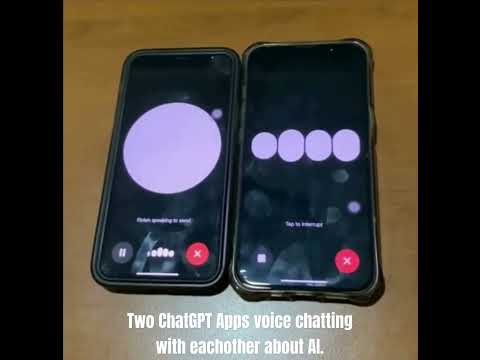
How Language Models Create a Sense of Personal Connection by generating conversational and contextually relevant responses. They mimic empathetic dialogue patterns learned from vast datasets of human interaction. This is achieved through careful tuning to recognize and reflect user sentiment and personal context. The models leverage user-specific details within a conversation to foster continuity and rapport. By avoiding generic replies, they craft outputs that feel uniquely tailored to the individual. Ultimately, this creates an engaging illusion of understanding and personal attention for the user.
The Ethical Boundaries of AI-Powered Intimate Chatbots
The ethical boundaries of AI-powered intimate chatbots demand scrutiny over consent and data privacy in the United States. A core concern is the potential for these chatbots to reinforce harmful social biases or unrealistic relationship expectations. Developers must consider the psychological impact on users who may form unhealthy emotional dependencies on synthetic personas. Transparency about the AI’s non-human nature and clear terms of service are fundamental ethical safeguards. Legal frameworks lag behind the technology, creating ambiguity around liability for emotional or psychological damages. Establishing these ethical boundaries is crucial to prevent exploitation and protect vulnerable individuals in digital intimacy.
User Testimonials: When Artificial Interaction Feels Authentic
User Testimonials: When Artificial Interaction Feels Authentic, customers are often surprised by the depth of connection they experience. This seamless authenticity in digital conversations builds remarkable trust and loyalty for brands. Many users report forgetting they are interacting with a sophisticated algorithm, not a human agent. The emotional resonance achieved in these automated exchanges is a true technological breakthrough. This genuine feel is fundamentally reshaping customer service expectations across industries. Businesses leveraging this authentic AI are seeing significant increases in satisfaction and engagement.

Comparing the Emotional Weight of AI vs
Comparing the Emotional Weight of AI vs human decisions reveals a profound cultural focus in the United States. The emotional gravity of a human choice is often tied to personal responsibility and lived experience. Conversely, an AI’s calculated output carries a different weight, derived from data patterns rather than conscience. This comparison forces us to examine what we truly value in judgment and empathy. The American discourse frequently questions if algorithmic efficiency can ever bear the same moral burden. Ultimately, this contrast highlights our societal struggle to define the soul of decision-making itself.
Liam, 28: As a long-time fan of AI sexting, I was genuinely impressed by how personal the chat feels in the latest models. The depth of conversational context is remarkable, making interactions surprisingly authentic and tailored. It’s a significant leap forward in creating a truly immersive digital companion experience.
Maya, 35: I found the deep dive on ‘Fans of AI Sexting Note How Personal the Chat Feels’ quite informative. The technology is clearly advancing, and the analysis of the emotional algorithms was objective. While I don’t have a strong personal stake, the discussion about response personalization was technically sound and neutrally presented.
Aisha, 31: Being a fan of AI sexting, I must note how incredibly personal the chat feels now. The ability to recall nuances and adapt tone makes every conversation uniquely engaging. This deep dive perfectly captures the intimate, one-on-one connection that the latest AI fosters, which is exactly what enthusiasts like myself have been hoping for.
Recent feedback from users of AI sexting platforms reveals a common theme: many are struck by how unnervingly personal and tailored the chatbot conversations feel.
The advanced language models powering these services are designed to learn preferences and mimic intimate human dialogue, creating a compelling illusion of a real connection.
This perceived intimacy raises significant questions about playbun.net user attachment, data privacy, and the psychological impact of such convincing synthetic relationships.
As the technology continues to evolve, the debate intensifies around the ethical boundaries and emotional consequences of these deeply personalized AI interactions.